Sweep Now, Sift Later: A Small-Garden Plan for Free Leaf Compost
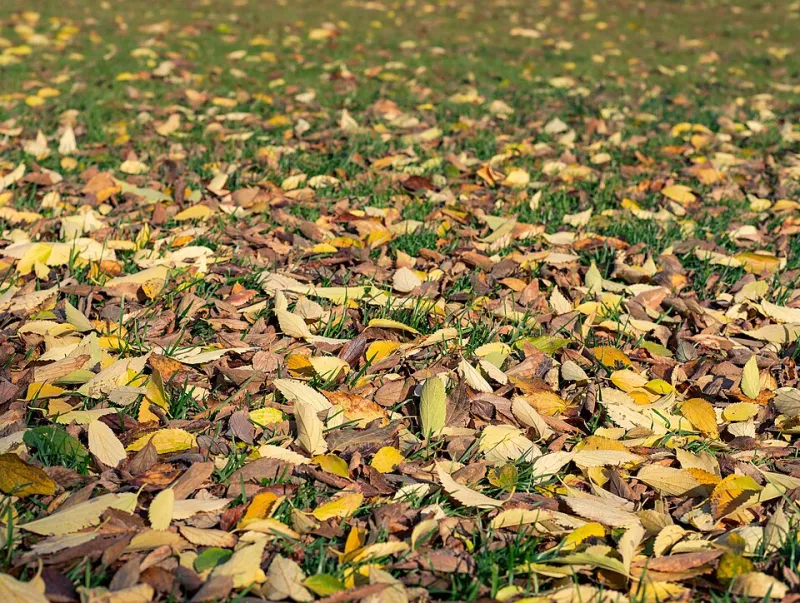
Photo: Jules Verne Times Two, CC BY-SA 4.0, via Wikimedia Commons
Mid-November 2026 is peak leaf season in most of the UK. The pavements are doing their annual impression of a brown tide, and the council green bin is already full. Before you write those leaves off as somebody else's problem, consider this: they are one of the few genuinely free soil-improving resources left. The catch is that a heap of wet leaves left in a corner is not leaf mould. It is a slug hotel with a side order of soggy bin bags.
Why bother with leaves?
Leaf mould is not compost in the usual sense. It is the result of fungal breakdown rather than bacterial heat, which is why it feels different: dark, crumbly, soft, and pleasantly earthy rather than rich and pungent. It is low in nutrients, so it will not replace a feed. What it does well is improve soil structure, hold moisture, and give seed and potting mixes a finer, more forgiving texture.
For a small garden, that matters. If your beds are heavy clay, leaf mould helps open them up. If your soil is sandy, it helps it hold on to water. If you raise plants in containers, sieved leaf mould is a useful ingredient in homemade mixes. It is also a sensible mulch around trees, shrubs and perennials, especially where you want to suppress weeds without piling on something too rich.
The right leaves, and the ones to leave alone
Most deciduous leaves will rot down eventually. Oak, beech and hornbeam are the classic slow-but-excellent choices. Horse chestnut and sycamore break down faster if shredded. Mixed street leaves are usually fine, provided they are not contaminated.
Skip anything that is clearly a problem: leaves matted with dog mess, litter, oil, or road grit from a busy junction. Evergreen leaves such as laurel and leylandii are thick and waxy, and they take far longer. Small amounts can go in, but do not make them the main ingredient. Diseased leaves from roses or fruit trees are better kept out of a small, cool heap that will not heat up enough to kill problems.
The other thing to avoid is weed seed and perennial roots. Leaves collected from a neglected corner may come with ivy, bindweed or bramble fragments. Give them a shake and pick out the obvious rubbish before it goes into the bin.
Collect before the sludge stage
Dry leaves are much easier to handle than wet ones. Pick a dry day after a few rain-free hours, and collect with a spring-tine rake and a tarpaulin. The tarp does most of the work: rake leaves onto it, drag it to the bin, and tip. A garden bag or a large builder's bag works well if you are collecting from a pavement or park.
Do not wait until the leaves have been pressed into a brown carpet by rain and foot traffic. At that point you are not collecting leaf mould material; you are scraping up sludge. If leaves are already wet, spread them out thinly for a few hours before bagging, or mix in some dry shredded prunings to improve airflow.
Shredding is optional but useful. Running a mower over dry leaves, or chopping them roughly with a spade, speeds up the process. It also stops them matting into an airless pancake.
A bin that suits a small garden
The simplest system is a wire mesh cylinder. Make it about 90cm to 1m across, stake it securely, and site it on soil or a weed membrane away from the house and fence. A lid or a sheet of old plywood keeps the worst of the rain out, but leave gaps for air. If you do not want a permanent bin, use woven polypropylene sacks or old compost bags with a few holes punched in the sides. Avoid thin bin bags tied tight: they trap water, go anaerobic, and produce a sour mess that smells like a neglected pond.
In a small garden, tidy matters. Put the bin where you can reach it with a wheelbarrow, not behind a shed where it will be forgotten until it collapses. Keep it off the lawn, or you will have a dead patch under it by spring. Label the start date, because leaf mould is a slow business and it is easy to lose track.
The waiting game
Leaf mould is not a quick crop. A shredded mix of easy leaves might be ready in 12 months. Whole oak or beech leaves can take two years or more. The pile should stay moist but not waterlogged. If it dries out, water it. If it is sodden, turn it and add dry material. A fork through the pile every few months helps, but do not fuss over it.
Using the stuff
When the leaves have broken down into a dark, crumbly material, sieve out the twigs and use it where it will do most good. For next year's seed sowing, remember that leaf mould is not a complete seed compost on its own. Sieve it, then blend it with loam and a little grit, or use it as a component in your own mix. Test the blend on a small tray of salad before committing a whole packet of seed to it.
For most gardeners, the best use is as a mulch or soil conditioner. Spread a few centimetres over beds in autumn, around trees and shrubs, or dig it into the top layer of soil before planting. It is gentle, easy to handle, and free.
Keep it tidy, keep it useful
A leaf bin only earns its keep if it is managed. Keep it contained, keep it labelled, and keep the rubbish out. Do not let it become a dumping ground for weeds, prunings and broken pots. If you collect leaves from the pavement, do it before they turn to mush and avoid anything that looks contaminated. Do that, and this autumn's freebie becomes next year's soil improvement rather than another messy corner you avoid looking at.