Beyond the Bag: A Realistic Guide to Going Peat-Free Without a Wasted Season
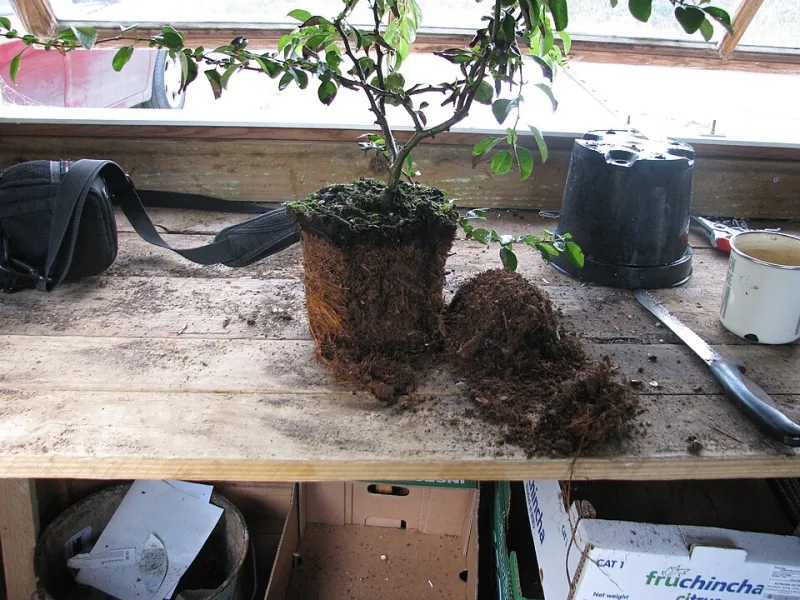
Photo: peganum from Henfield, England, CC BY-SA 2.0, via Wikimedia Commons
Peat-free compost is no longer a niche corner of the garden centre. In many UK outlets it is now the default, and the range of formulations has grown quickly. That is good news for anyone who wants to garden with less environmental impact, but it does not mean the switch is effortless. Peat-free mixes behave differently from the peat-based composts many of us learned on, and the first season can be a lesson in patience.
The most useful thing I can say as we head into late 2026 is this: do not treat peat-free as a direct like-for-like swap. Treat it as a change of material with its own habits. Once you adjust watering, feeding and the way you store and use it, you can have a perfectly good growing season. The mistakes usually come from expecting peat-like performance from a mix built from wood fibre, coir, bark, green compost or a blend of several ingredients.
What has actually changed in the bag
Modern peat-free composts vary enormously. A fine seed mix is not the same as a coarse potting blend, and a budget general-purpose bag is not the same as a specialist container mix. Wood fibre can dry out quickly on the surface while staying damp lower down. Coir holds water well but can pack down if handled wet. Green compost adds weight and nutrients but may be variable from batch to batch. Bark-based mixes are often open and airy, which is great for roots but means they can dry faster.
Read the bag, but also squeeze a handful. A good peat-free mix should feel open, not slimy. If it is stored in a shed, keep it dry and off the floor. A damp bag left open over winter can turn into a lumpy, sour mess. Buy fresh for seed sowing, and use older bags for established plants or as a soil improver rather than for delicate seedlings.
The watering habit is the big one
Many peat-free failures are watering failures. Gardeners used to peat often water by routine: a certain amount every few days. Peat-free mixes ask you to check instead. Lift the pot. Push a finger into the surface. Water slowly and let it soak in rather than blasting the surface and watching it run down the sides. Bottom watering is useful for modules and small pots because it rehydrates the mix more evenly.
Do not let the surface dry to dust and then flood it. That is stressful for young roots and wasteful. A simple moisture meter can help if you are managing lots of containers, but your finger and the weight of the pot are still the best everyday tools. A water butt and a fine rose on the watering can make it easier to water gently and consistently.
Feed sooner than you might expect
Peat-free mixes often contain fewer initial nutrients than some traditional composts, and the nutrients that are there can become available at a different pace. For seedlings, that is usually fine at first. For containers, hanging baskets and long-season crops such as tomatoes and peppers, start liquid feeding earlier than you would with a rich peat mix. A balanced feed in early growth, then a tomato or high-potassium feed once flowering begins, is a sensible approach.
Do not overcorrect by feeding hard from day one. Young roots can be scorched by strong feed. Little and often is kinder. Top-dress long-term pots with a handful of wormcastings or a slow-release organic feed, and keep an eye on pale leaves rather than waiting for a plant to look really sorry for itself.
Match the mix to the job
Seed sowing is where peat-free often gets a bad name, and it is usually a question of texture. Use a fine peat-free seed mix, fill modules evenly, water from below and keep the surface from drying out. If you are making your own mix, sieve it first and avoid big lumps of woody material around tiny seeds.
For patio containers, a coarse peat-free potting mix with good structure is usually easier to manage than a fine general-purpose bag. For shrubs and perennials going into the ground, peat-free compost is best used as part of a soil-improvement mix rather than as a standalone planting medium. For blueberries and other acid-lovers, look for a specific ericaceous peat-free mix rather than assuming a general bag will do.
Root vegetables grown in open ground are less dependent on bagged compost, but raised beds and containers still need attention. Salad leaves and herbs are fairly forgiving. Tomatoes, courgettes and peppers are hungry and thirsty, so they reward consistent watering and feeding. If you grow in small pots, expect to work harder on moisture than you would in a larger container or bed.
A sensible transition plan
Do not switch the whole garden in one weekend and then judge the material after a fortnight. Try one raised bed, one set of containers and one seed tray. Keep notes: which mix, how often you watered, when you fed, how the plants looked. That sounds dull, but it turns a vague sense of things not working into useful information.
Useful kit for the transition includes a compost sieve, a scoop, module trays, a fine watering rose, a water butt, a liquid feed and a moisture meter if you like a bit of backup. None of these will fix a bad batch or poor storage, but they make it easier to give peat-free compost a fair trial.
The honest truth is that peat-free gardening has a learning curve, and most of us make at least one mistake on the way. The aim is not perfection in the first season. It is to keep plants growing, learn how the material behaves and adjust. With a little care over watering, feeding and storage, you can switch without writing off the year.