The November Garlic Wager: Cloves, Containers and a Balcony That Earns Its Keep
Garlic is one of those crops that rewards a quiet decision. The shops are full of bulbs, the seed catalogues have gone Christmassy, and the greenhouse is half-empty. It is tempting to wait until spring. But garlic is not a tomato. It wants a cold start, a long root run and a patient gardener. November, odd as it feels, is often the sweet spot — even if your growing space is a balcony, a patio or a few steps outside the back door.
Why November suits garlic better than March
Autumn planting gives cloves time to make roots before the worst of winter. Those roots anchor the bulb and get it established while the soil is still workable. The cold that follows also matters: garlic generally needs a decent spell of low temperatures to bulb up properly. Spring-planted garlic can still crop, especially softneck types, but it often produces smaller bulbs and a later harvest.
On a balcony, the calculation is slightly different. Containers freeze and thaw faster than beds, and a sheltered wall can keep things milder than you expect. That is not a reason to delay. Plant this month, keep the pot outdoors, and let the winter do its job. The aim is cold and steady, not cosseted and warm.
Pick the right bulb for the space
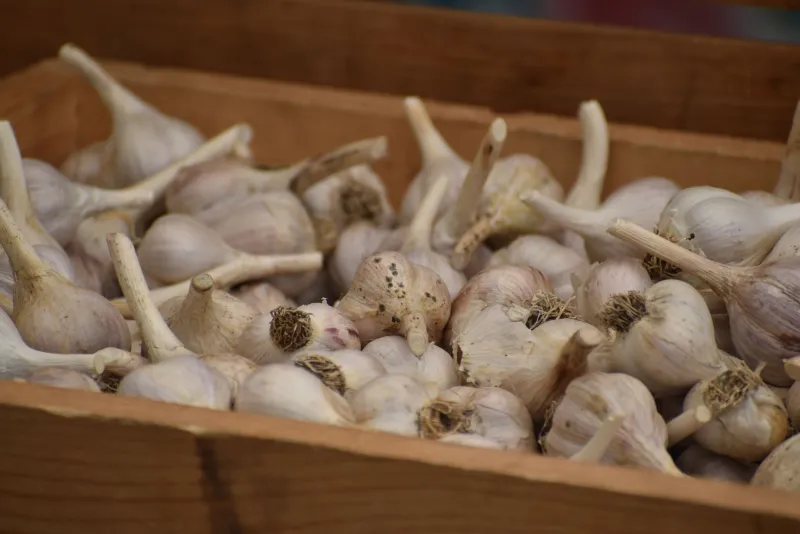
Garlic divides into two broad groups, and the difference matters in a pot. Hardneck garlics tend to have stronger flavour, produce curly scapes in early summer and suit colder winters. They are less keen on long storage. Softneck garlics are the plaiting sort, usually milder, and they store well. They are also forgiving in milder conditions.
For a balcony or patio, either can work. Softneck varieties are often easier if your spot is mild or windy, while hardneck types reward a colder patch. Look for named varieties rather than supermarket bulbs, which may be treated or suited to warmer climates. One bulb breaks into several cloves, so a single purchase goes a long way. Plant the biggest, firmest cloves and keep the small ones for the kitchen.
The pot has to do two jobs
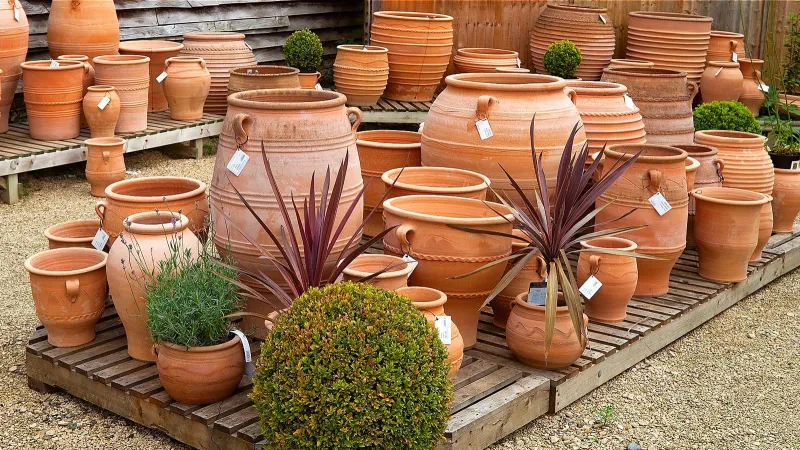
Garlic needs depth and drainage. A pot around 20–25cm deep is the sensible minimum, and wider is better than taller. A 25cm-wide container will take four or five cloves comfortably; cramming more in only competes for water and nutrients. Check for drainage holes before anything else. A full saucer is a rot trap, not a water reserve.
Use a mix that holds moisture without staying soggy. A peat-free multipurpose compost blended with garden compost or loam and a good handful of grit works well. Aim for roughly one part grit to three or four parts compost. Avoid rich manure or heavy feeding; garlic is not a hungry crop, and too much nitrogen encourages soft, disease-prone leaves.
Fill the pot to about 5cm below the rim, firm it gently and plant each clove pointy end up, about 5cm deep and 10–15cm apart. Water once to settle the compost, label the pot, and then step away. That first watering is about settling, not soaking.
Cold, but not coddled
Garlic wants winter cold, but it does not want a swamp. Container plants are more exposed than border plants, so group pots together, raise them on feet if you can, and make sure the drainage holes stay clear. A 2–3cm mulch of grit or rough compost after planting helps stop the surface splashing and keeps weeds down.
Do not wrap the pot in bubble wrap for the whole winter. A little protection during a severe freeze is fine, especially if the pot is small, but garlic brought indoors or kept too warm will not perform. If a hard frost is forecast, move pots against a sheltered wall or cover them with fleece for the worst nights, then uncover them again. The cold is part of the plan.
Squirrels, pigeons and the mesh compromise
Squirrels dig, pigeons peck and cats treat fresh compost like a litter tray. A simple sheet of wire mesh laid over the pot surface and pegged down solves most of it. Remove it once the shoots are strong, or use a mesh with holes wide enough to let leaves through but tight enough to stop digging. Twiggy sticks pushed into the compost also work as a low-cost deterrent.
Horticultural fleece can protect early shoots, but it also cuts light and airflow. Use it as a short-term shield, not a permanent blanket. Check netting regularly so birds do not get caught, and keep the area around the pots clear of spilled compost and debris that attracts rodents.
Watering: less than you think
Most container garlic failures are watering problems in disguise. After planting, water once and then leave it alone. Winter rain usually does the rest. Pots under eaves or on a sheltered balcony may need an occasional check, but do not water on a schedule. In spring, water at the base when the top couple of centimetres of compost feel dry. Wet leaves and crowded pots invite rust, the orange-spotted fungal problem that thrives on damp foliage. Remove affected leaves and improve airflow rather than reaching for a spray.
Rot is the other risk. Yellowing, a soft base or a sour smell usually means the compost has stayed too wet. Empty the pot rather than trying to rescue a soggy clove. Good drainage and restraint with the watering can are worth more than any rescue treatment.
The harvest wager
Garlic planted now should be ready by midsummer, when the lower leaves yellow and the tops begin to flop. Stop watering as the bulbs finish, then lift them carefully with a fork. Dry them somewhere airy before storing. Softneck types plait neatly; hardneck types are best used first.
The crop from a few balcony pots will not fill a pantry. But it will give you fresh bulbs, a lesson in patience and a reason to look at a quiet November pot with a bit more optimism. For a small space, that is a very good return.