Find the Freeze First: A Quick Autumn Walk to Spot Your Garden's Cold Spots
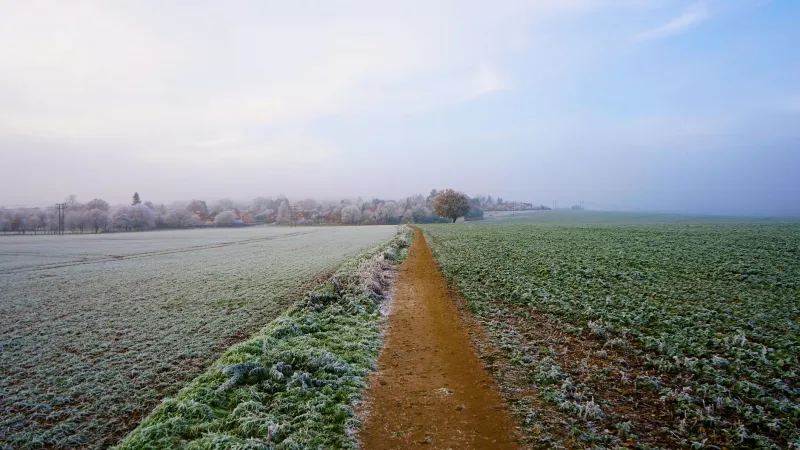
Frost rarely behaves fairly. It can leave a sheltered border untouched while quietly wrecking a tender plant in the dip by the shed. By the time you notice, the damage is usually done. The good news is that most gardens give away their cold spots long before the first hard freeze—if you know where to look.
This is not about wrapping the whole garden in fleece or turning the shed into a thermometer showroom. It is a simple autumn survey: walk, look, note, then make a few sensible decisions. Twenty minutes now can save a lot of guesswork later.
Why a frost map beats a frantic fleece dash
Cold air behaves a bit like water. It drains downhill, pools behind solid obstacles and sits in low ground. That means two gardens on the same street can have very different frost nights. A south-facing wall might store warmth and release it slowly, while a shallow dip at the bottom of the lawn can be several degrees colder.
A frost map helps you stop treating every plant the same. Instead of covering everything at the first scary forecast, you can prioritise the plants that are genuinely at risk and leave the tough ones alone. It also helps you plan for next year: if you know a corner is a cold sink, you can stop putting tender plants there in the first place.
The 20-minute walk: what to take
You do not need much kit for the survey itself. A min-max thermometer is the star of the show because it records the lowest temperature since you last reset it. A simple notebook or a sheet of paper is fine for the sketch. A pencil is better than a pen if the paper gets damp. If you have a compass on your phone, use it to mark north on your plan.
One thermometer is enough to start. Two is better if you want to compare a suspected frost pocket with a known sheltered spot, but do not rush out and buy a set of five. Place them at plant level—roughly 5cm above the soil—because that is where cold air does its worst work. A thermometer mounted at head height will tell you a comforting lie.
Read the garden, not just the thermometer
Start with the obvious clues. Where does the ground slope? Cold air gathers at the bottom of even a gentle slope. Look for low spots, shallow hollows and places where the lawn stays squelchy longer than elsewhere. Clay soil holds water and warms up slowly, so it can feel colder and stay colder than a free-draining bed.
Then look at barriers. A solid fence, wall or dense hedge can block the drainage of cold air and cause it to pool on the uphill side. A hedge that is open at the bottom may let air through; a close-boarded fence will not. Paving and walls also matter. A sunny patio or brick wall can act as a storage heater, keeping the immediate area a degree or two warmer overnight. Bare soil, on the other hand, can lose heat quickly.
Finally, look at the plants themselves. Tender perennials, newly planted shrubs, citrus in pots and anything with soft new growth are the ones to watch. Established native hedges and tough evergreens are usually fine. Your survey is not about saving everything—it is about knowing which plants are in the wrong place.
Sketch it properly (even badly)
A rough plan is more useful than a perfect one. Draw the outline of your garden, mark north, and note the house, shed, walls, fences, hedges, paths and big trees. Then mark the places that felt colder, wetter or more exposed. Add the thermometer readings in pencil so you can update them.
Do the walk twice if you can: once in the late afternoon and once early the next morning. Note the date, cloud cover and wind direction. A clear, still night is the classic frost setup, but a windy night can mix the air and blur the picture. One survey will not tell you everything, but two or three over a fortnight will show you the pattern.
Decide what stays, moves or gets covered
Once you have a rough map, split your plants into three groups. The first group is the genuinely tender plants that need protection or relocation. Move pots into the shelter of a wall, group them together and raise them on pot feet so they are not sitting in cold water. The second group is the borderline plants: give them a cloche or a single layer of fleece if a hard frost is forecast, but do not smother them for weeks. The third group is the tough stuff. Leave it alone.
If a plant is in a frost pocket and it is not happy there, moving it is often kinder than wrapping it every year. A potted plant can be shifted in minutes. A border plant takes more planning, so note it for next autumn rather than digging it up in a panic.
Kit that earns its shed space
At Gro Garden Products, we would rather you bought one good min-max thermometer than a cupboard full of gadgets you never use. A simple digital or traditional min-max thermometer is the core purchase. After that, choose protection based on the area you actually need to cover. Fleece is useful for a short, sharp frost, but it must be secured and it should not touch the foliage. Cloches suit individual plants or short rows, and they are easy to vent on milder days. Horticultural fleece, a few cloches and a couple of sturdy pot feet will cover most small-garden needs.
Avoid the temptation to buy a roll of fleece big enough to wrap the whole garden. Measure the plants you have marked as vulnerable, then buy for that area plus a little spare. Reuse what you have, repair tears with tape or clips, and store it dry. A thermometer and a pencil will teach you more than an extra layer of plastic ever will.
A final check before the first hard freeze
Before the first proper cold snap, reset your thermometer, check your sketch and move the pots you have decided to move. Water containers before a frost rather than after, and make sure anything you cover is not bone dry or soaking wet. Then let the weather do its thing. A garden that has been read properly is much easier to look after than one that has simply been covered in a panic.