Cold Snap on a Budget: The Shed Kit That Actually Saves Plants
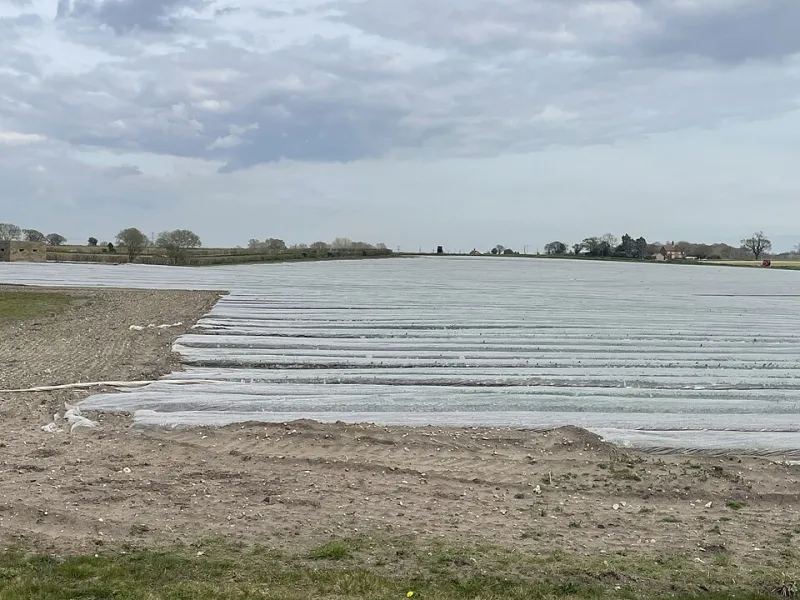
Photo: Simon Mortimer , CC BY-SA 2.0, via Wikimedia Commons
Every November the garden centre shelves fill with frost protection, and it is easy to spend £40 before you have bought anything that actually covers a plant. The trick is to treat the budget like a small toolkit: a few pieces that solve different problems, not one clever gadget that promises to do everything. Here is the kit I would put in the shed before the first hard frost, and the stuff I would leave on the shelf.
Start with fleece, not folklore
Horticultural fleece is the least glamorous purchase and usually the best value. A mid-weight fleece — around 30gsm for general protection — will knock a couple of degrees off the cold, keep freezing wind off leaves and stop a light frost settling directly on foliage. It will not save a tender plant through a week of hard frost, whatever the packet says. For that you need more layers, or a different plant.
Buy a piece big enough to drape rather than wrap tightly. A 2m x 5m roll is often £8-£12 and covers a raised bed, a few pots or a newly planted shrub. Peg it down with purpose-made clips or old bricks, but leave a gap at ground level so air can move. The common mistake is to tie fleece round a plant like a parcel and leave it there for a week. Damp foliage under sealed plastic or fleece is a bigger risk than the cold itself.
Cloches: simple beats decorative
Bell jars look lovely. They also cost £25 each, catch the wind and cook seedlings on a bright lunchtime. A simple plastic tunnel cloche, or a pack of rigid plastic covers, costs £6-£12 and does the same job for salads, parsley and small cuttings.
If you already have empty plastic bottles, cut the bases off and use them as individual cloches for seedlings. Push them into the soil, leave the caps off on mild days and remove them once plants are established. This is not a long-term solution, but it is a sensible use of something you were going to recycle.
Plant jackets and bubble wrap
Plant jackets earn their place if you grow one or two tender focal plants — a tree fern, a banana, a young olive in a pot. A basic jacket is £5-£8; a good one with a drawstring and breathable fabric is nearer £10. Check that it covers the crown, not just the stem. For pots, wrap bubble wrap round the container, not the plant, and stand the pot on feet or bricks so water can drain.
Bubble wrap is also useful for greenhouse glazing, but do not seal every gap. Ventilation matters on mild days, and a sealed greenhouse can become damp and mouldy. Use clips or tape sparingly and leave the door open when conditions allow.
The thermometer is the cheapest insurance
A max-min thermometer costs £5-£8 and tells you what your garden actually did overnight. Forecasts are for a region; your plot may be a frost pocket or a sheltered sun trap. Put the thermometer near the plants you are worried about, about a metre above ground, and out of direct sun. Check it in the morning and note the low. After a few weeks you will know whether your garden runs colder than the forecast, which is far more useful than another app.
What I would leave on the shelf
Expensive wireless weather stations are fun, but they rarely change what you do. A £40 gadget that tells you it is cold outside is not frost protection. Electric heaters for unheated greenhouses are another false economy unless the greenhouse is insulated, draught-proof and you are prepared for the running cost. Heated propagators are for starting seeds, not for keeping mature plants alive. And do not buy a dozen tiny plant jackets for a dozen scattered pots; you will spend more time fitting them than the plants are worth.
A sensible £40 split
Prices move, but a workable cold-snap kit looks like this: mid-weight fleece, £10; max-min thermometer, £7; two plastic cloches, £12; bubble wrap and clips, £7; a pack of pegs or bricks, £4. That is £40 and it covers beds, pots, a greenhouse window and your own decision-making.
If you have one tender plant that matters, swap the second cloche for a decent plant jacket. If you have a small garden, buy less fleece and more clips; a loose cover that stays put is better than a large sheet that blows into the hedge.
DIY that genuinely works
You can make cloches from bottles, use old bricks to raise pots and bundle pots together against a house wall for mutual shelter. A layer of mulch around hardy plants helps protect roots, but put it on before the ground freezes, not on top of frozen soil. Move pots out of saucers and check drainage holes before the wet weather settles in. None of this costs much, and all of it works better than wrapping a plant in a plastic bag and hoping.
The honest test of frost kit is simple: does it cover something, measure something or hold something down? If the answer is no, it probably does not need to take up shed space.